Agro & Processed Food Products
Fresh Fruits
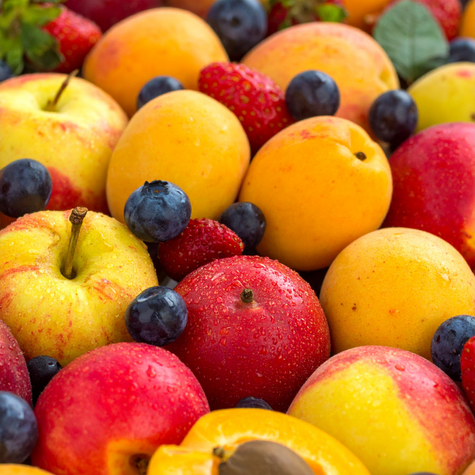
Fresh fruits are an essential part of a healthy diet and are valued worldwide for their natural taste, nutritional benefits, and refreshing qualities. India is one of the largest producers of a wide variety of fruits, offering rich flavors, vibrant colors, and excellent quality. Popular fruits such as mango (including premium varieties like Alphonso, Kesar, and Banganapalli), banana, grapes, pomegranate, and oranges are widely appreciated for their sweetness, juiciness, and nutritional value. These fruits are carefully harvested and selected to ensure freshness, quality, and long shelf life for domestic and international markets.
In addition to these favorites, fruits such as apple, guava, papaya, pineapple, watermelon, muskmelon, and dragon fruit are also highly demanded for their unique taste and health benefits. Rich in vitamins, antioxidants, and natural minerals, fresh fruits support overall wellness and hydration. With proper handling, hygienic packaging, and efficient logistics, these fruits can be supplied fresh and in excellent condition to customers around the world, making them an ideal choice for global fruit markets


Fresh Vegetables
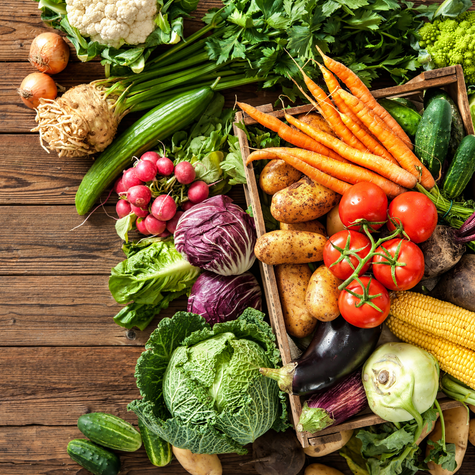
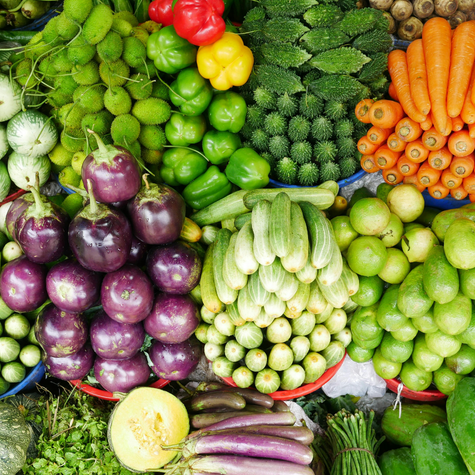
Fresh vegetables are a vital part of everyday nutrition and are widely valued for their freshness, flavor, and health benefits. India produces a diverse range of vegetables that are known for their quality and natural taste. Commonly exported vegetables include onion, potato, tomato, okra (bhindi), green chilli, and brinjal (eggplant), which are widely used in global cuisines. These vegetables are carefully sourced from reliable farms and are harvested at the right stage to maintain their freshness, texture, and nutritional value.
In addition to these staples, vegetables such as drumstick (moringa), cabbage, cauliflower, bitter gourd, and bottle gourd are also in high demand in international markets due to their unique taste and health benefits. Rich in vitamins, minerals, and dietary fiber, fresh vegetables contribute to a balanced and healthy diet. With proper sorting, hygienic handling, and efficient packaging, these vegetables are delivered fresh and in excellent condition, ensuring quality and reliability for customers worldwide.

Cereals
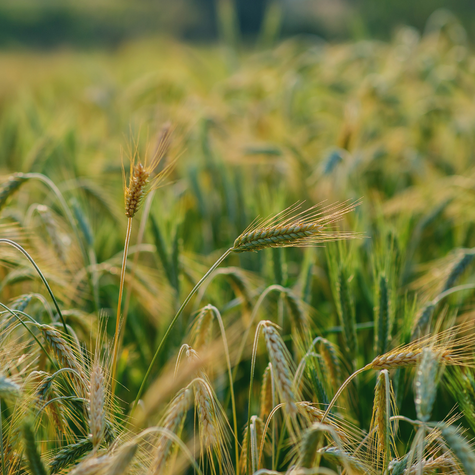
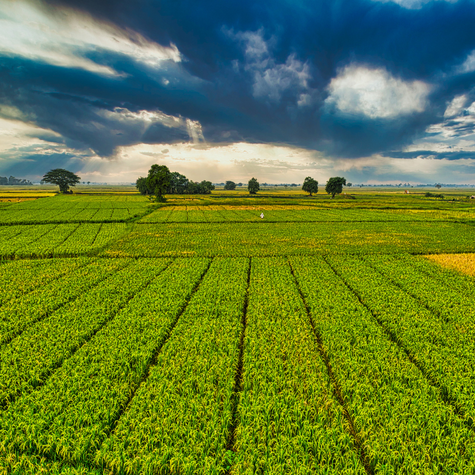
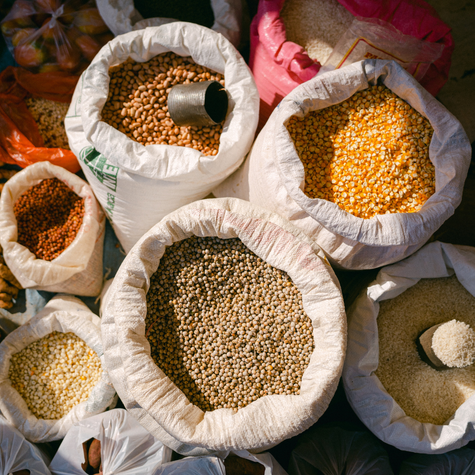
Cereals are one of the most important staple food products consumed across the world, providing essential nutrients and energy for daily diets. India is a major producer and exporter of a wide variety of cereals known for their quality and nutritional value. Key cereals include premium Basmati rice, Non-Basmati rice, wheat, maize (corn), and barley, which are widely used in households and the food processing industry. These grains are carefully sourced, cleaned, and processed to maintain their natural quality, aroma, and freshness.
In addition to these, traditional grains such as sorghum (jowar) and nutritious millets including ragi, bajra, and foxtail millet are gaining global popularity due to their high nutritional content and health benefits. Rich in fiber, minerals, and essential nutrients, these cereals support balanced diets and sustainable food consumption. With proper quality control, hygienic processing, and secure packaging, these cereals are supplied to international markets while maintaining consistent standards and reliability

Pulses (Legumes)
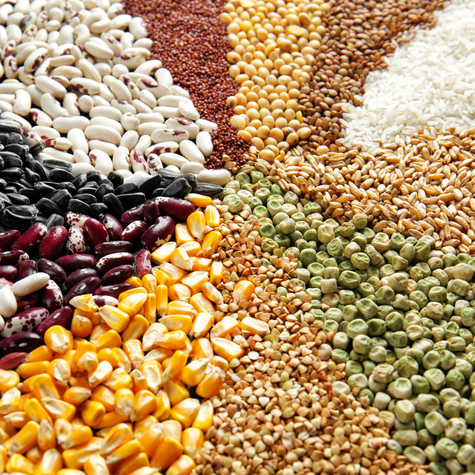
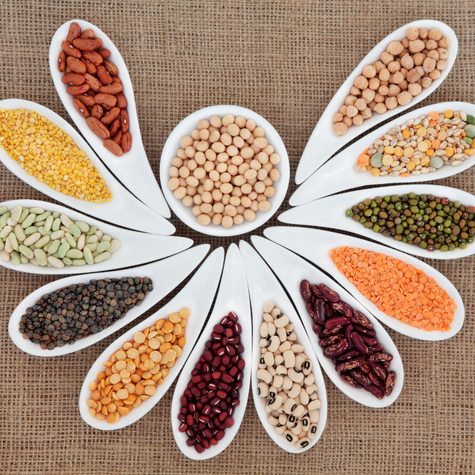
Pulses are an essential source of plant-based protein and form a vital part of diets across the world. India is one of the leading producers of high-quality pulses that are widely valued for their nutrition, taste, and versatility in cooking. Commonly consumed varieties include chickpeas (chana), pigeon pea (toor dal), green gram (moong), black gram (urad), and lentils (masoor), which are widely used in traditional as well as modern cuisines. These pulses are carefully sourced and processed to maintain their purity, natural flavor, and nutritional value.
In addition to these, kidney beans (rajma) are also highly popular for their rich taste and high protein content. Pulses are naturally rich in protein, fiber, vitamins, and essential minerals, making them an important component of a balanced and healthy diet. With proper cleaning, grading, and hygienic packaging, these legumes are prepared to meet international quality standards, ensuring reliable supply and consistent quality for global markets.
Oilseeds
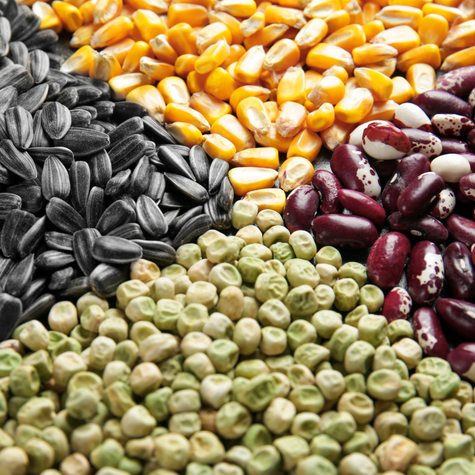
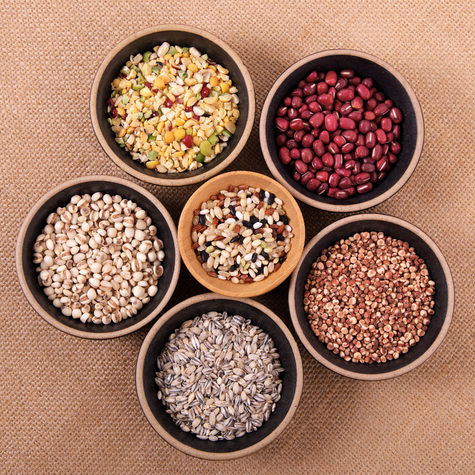
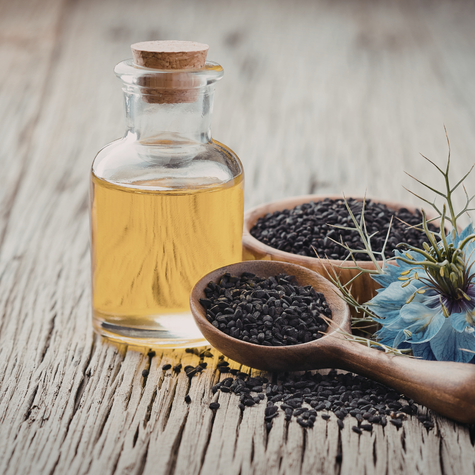
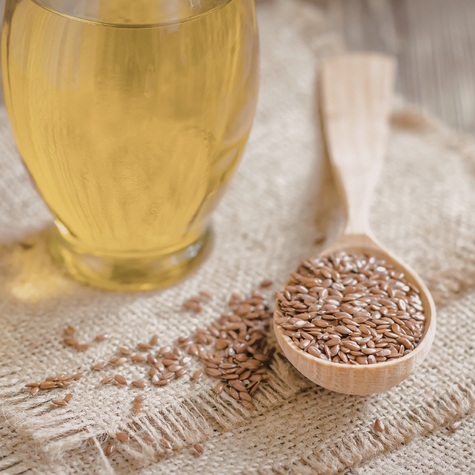
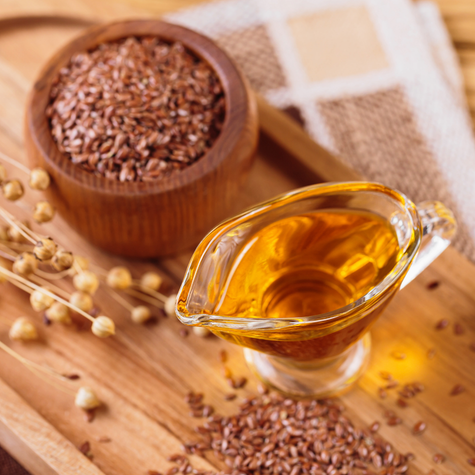
Oilseeds are an important agricultural commodity widely used for the extraction of edible oils and various food products. India produces a diverse range of high-quality oilseeds that are valued for their rich oil content and nutritional benefits. Major varieties include sesame seeds, groundnut (peanuts), mustard seeds, soybean, and sunflower seeds, which are commonly used in cooking, food processing, and oil production. These oilseeds are carefully sourced, cleaned, and processed to ensure purity, freshness, and consistent quality.
Other important oilseeds such as niger seeds and castor seeds are also widely exported due to their industrial and commercial applications. Oilseeds are rich in healthy fats, proteins, and essential nutrients, making them valuable for both food and non-food industries. With strict quality control, proper grading, and hygienic packaging, these oilseeds are supplied to international markets while maintaining high standards of safety and reliability.
Processed Food Products
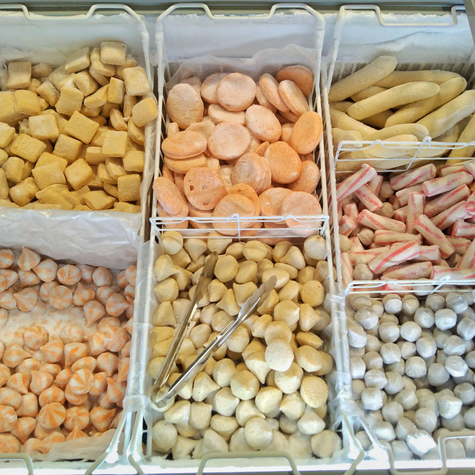
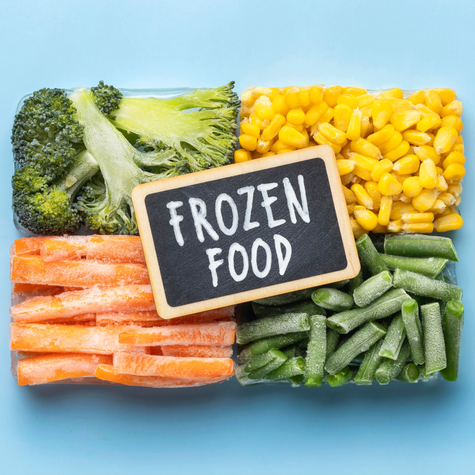
Processed food products are increasingly popular in global markets due to their convenience, long shelf life, and consistent taste. India offers a wide variety of processed foods that reflect its rich culinary heritage and diverse flavors. These include ready-to-eat meals, frozen foods, and instant mixes that allow consumers to enjoy authentic Indian dishes quickly and easily. Traditional items such as Indian snacks (namkeen), pickles, and papad are also highly demanded for their unique taste and crunchy texture.
In addition, products like sauces and chutneys, dehydrated vegetables, fruit pulp (such as mango pulp and guava pulp), and jams and fruit spreads are widely used in households and the food industry. These products are prepared using quality ingredients and modern processing techniques to maintain flavor, nutrition, and freshness. With proper packaging, quality control, and adherence to international food safety standards, processed food products can be reliably supplied to customers across global markets.

Spices & Spice Products
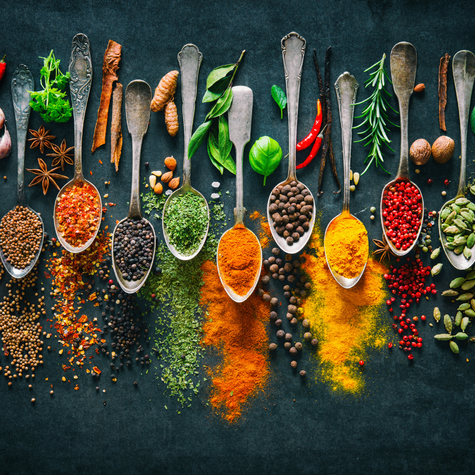
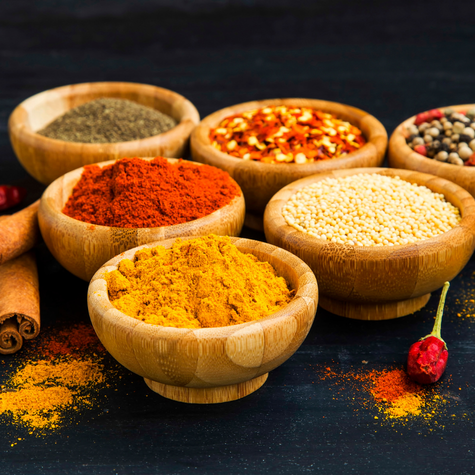
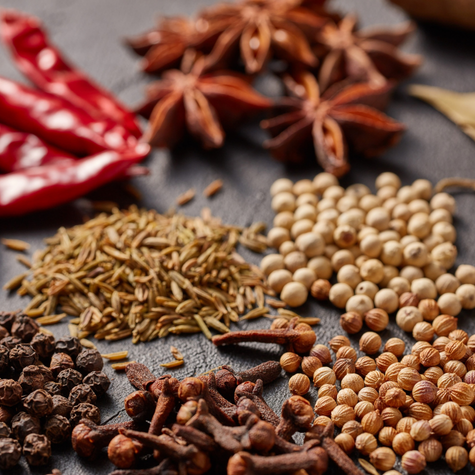
Spices are an essential part of global cuisine, valued for their rich aroma, flavor, and natural health benefits. India is known as one of the world’s largest producers and exporters of high-quality spices. Popular varieties include turmeric, black pepper, red chilli, cumin seeds (jeera), coriander seeds, and cardamom, which are widely used in cooking, food processing, and traditional recipes. These spices are carefully sourced from trusted farms and processed to preserve their natural color, taste, and aroma.
In addition to whole spices, products such as fenugreek, fennel seeds, spice powders, and spice oils and oleoresins are also in high demand in international markets. These products are used in the food, pharmaceutical, and cosmetic industries for their flavoring and functional properties. With strict quality control, proper cleaning, and hygienic packaging, spices and spice products are prepared to meet global standards, ensuring purity, freshness, and reliable supply for customers worldwide.
Floriculture (Flowers & Plants)
Floriculture is an important segment of agriculture that focuses on the cultivation and export of flowers and ornamental plants. Fresh flowers are widely appreciated for their beauty, fragrance, and decorative value, making them highly demanded in global markets for events, celebrations, landscaping, and floral arrangements. Popular varieties include cut roses, marigold, carnations, chrysanthemums, and orchids, which are known for their vibrant colors and long-lasting freshness. These flowers are carefully cultivated, harvested, and handled to maintain their quality and visual appeal.
In addition to fresh flowers, ornamental plants and foliage plants are also widely traded for use in interior decoration, landscaping, and gardening. These plants enhance aesthetic environments in homes, offices, hotels, and public spaces. With proper cultivation practices, controlled handling, and secure packaging, floriculture products are supplied to international markets while maintaining freshness, quality, and high standards suitable for global demand.



Plantation Crops
Plantation crops are commercially cultivated on a large scale and play a significant role in international trade due to their high demand and economic value. India is well known for producing a variety of high-quality plantation crops such as tea, coffee, cocoa, rubber, and cashew nuts. These crops are grown in specific climatic conditions that enhance their flavor, quality, and productivity. Tea and coffee, in particular, are globally appreciated beverages known for their rich aroma and taste, while cocoa is widely used in the chocolate and confectionery industry.
Other plantation crops such as rubber and cashew nuts are also highly valued in global markets for their commercial applications. Rubber is an important raw material used in manufacturing and industrial products, while cashew nuts are widely consumed as a nutritious snack and ingredient in various food preparations. With careful cultivation, processing, and quality control, plantation crops are prepared to meet international standards and are exported to markets worldwide, ensuring consistency, reliability, and premium quality